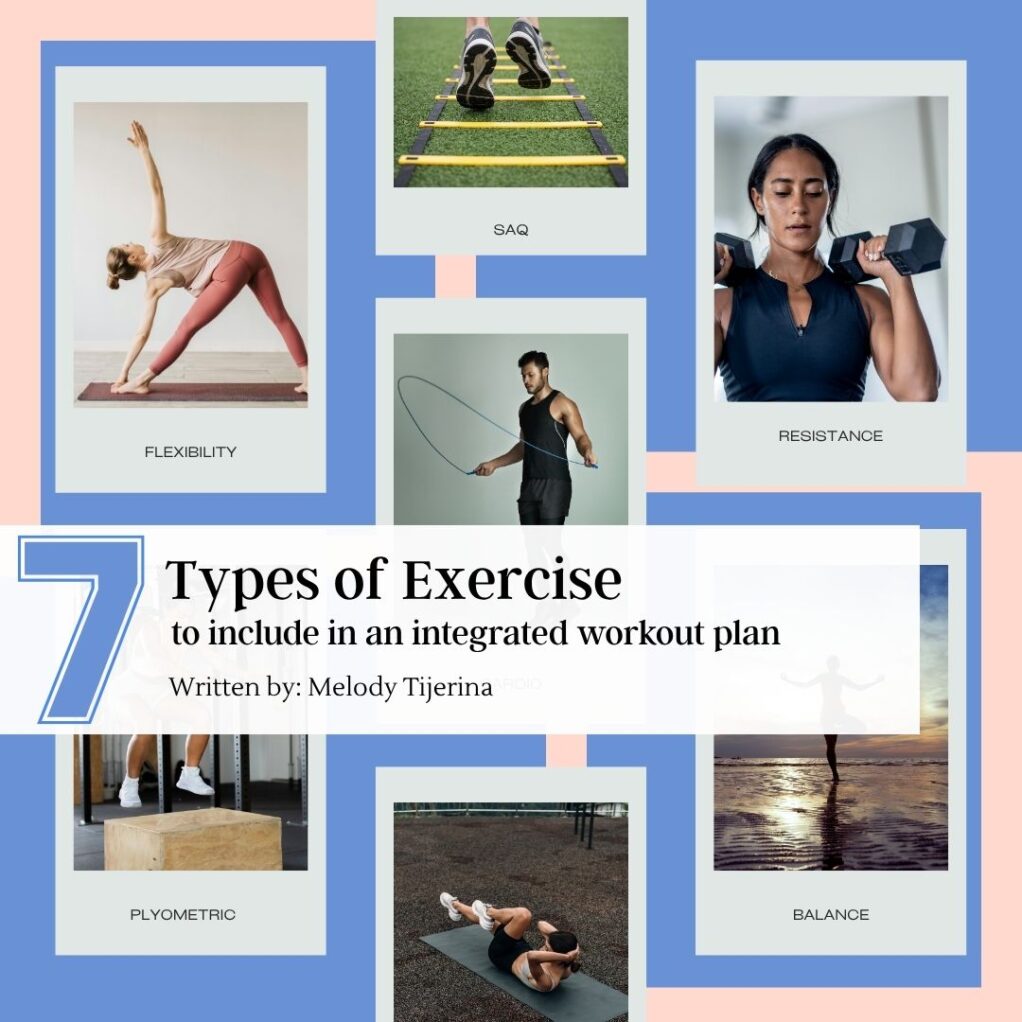
Last year, I completed the National Academy of Sport Medicine (NASM) Certified Personal Trainer (CPT) program. When we think of personal training, we often think of strength training, but that is just one part of a larger, more complex exercise system. The NASM-CPT program recommends an integrated approach to personal conditioning which includes seven different types of exercise. The seven different types of exercise are: flexibility, cardiorespiratory, core, balance, plyometric, speed/agility/quickness and resistance (or strength) training. Let’s review each category individually to gain a better understanding of each type and why we need them:
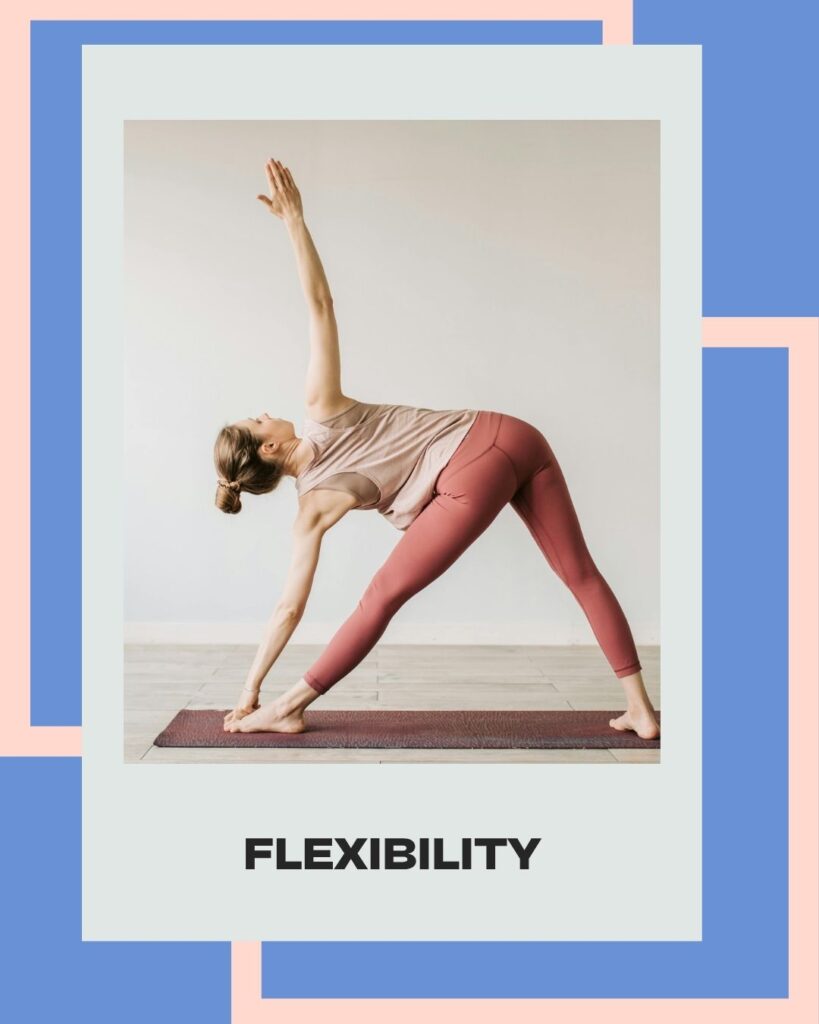
Flexibility Training
Many of us are here as part of an existing yoga community. As such, you already have an appreciation for flexibility and may be pleased to see that flexibility is identified as one of the key exercise forms that are needed to maintain a healthy body. As you may know, flexibility training techniques such as yoga increases range of motion, decreases muscle soreness, and can reduce the risk of injury. It makes our movement more fluid and less restrictive which helps us conserve energy and we just feel so much better.

Cardiorespiratory Training
I feel like cardiorespiratory training was much more popular in the past and has lost some of its appeal recently. Here’s the reality: heart disease is still the number one killer of Americans. Someone has a heart attack every forty seconds in the US. Heart disease is responsible for 1 in every 3 deaths in the US.
Cardiorespiratory training is a way to improve heart and lung functionality. It decreases our resting heart rate and blood pressure. It increases our stroke volume and cardiac output. It improves our blood lipid profile/chemistry (i.e. Cholesterol, HDL, LDL, triglycerides).
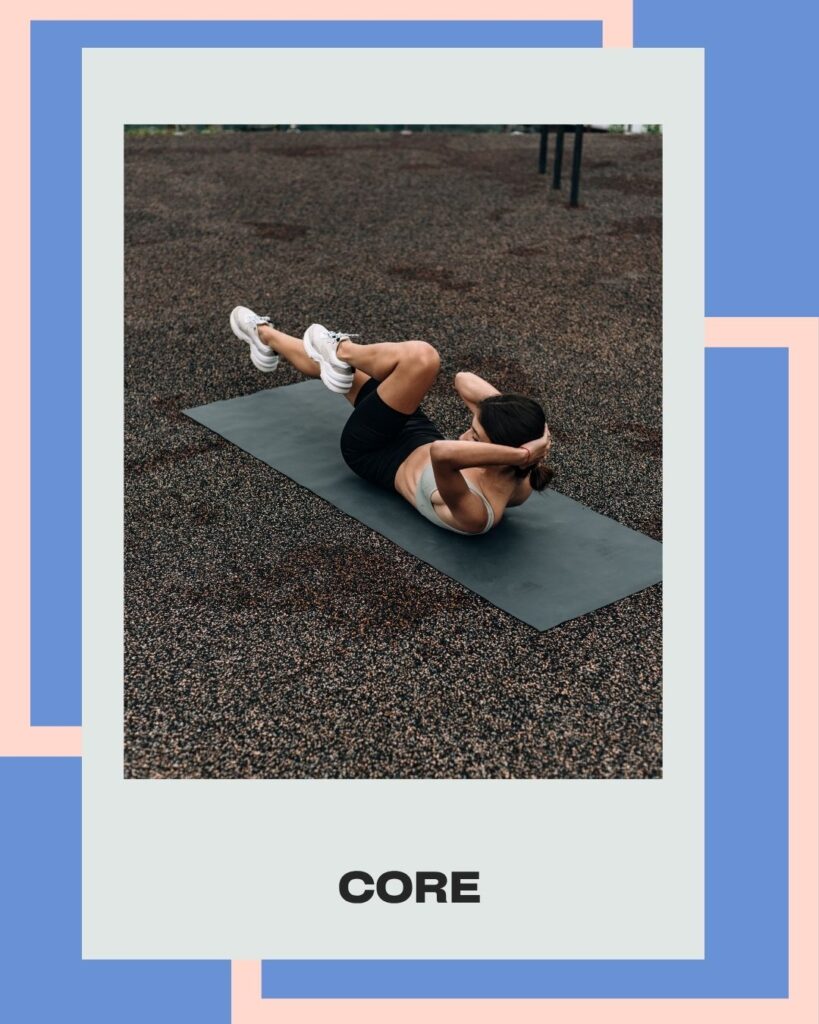
Core training
Core training is always popular. Many people think if they develop a stronger core, they can finally rid themselves of the muffin top that has been taunting them. Unfortunately, core training cannot create targeted fat loss, but core training can stabilize your spine and pelvis. It can improve your ability to transfer energy from the core to the extremities. Improving core strength can improve one’s balance, coordination and stabilization. This is important for athletes, but also important for all of us in our everyday activities, especially as we age. A stronger core can also reduce back pain and improve posture.

Balance training
I appreciate that balance training is now recognized as its own entity. In our youth, we may not realize the importance of balance training, because for most of our youth, balance is easy. Balance fades away slowly and inconspicuously, so we may not notice it is a problem until we stumble and fall. Falls for the very elderly can be lethal. Often, falls are the start of a very long and bumpy road to recovery. Balance training reduces the risk of falls. Like yoga, balance training improves our body awareness and our ability to feel and control how we are moving in space. Improved coordination and better movement patterns are two resulting benefits of balance training.
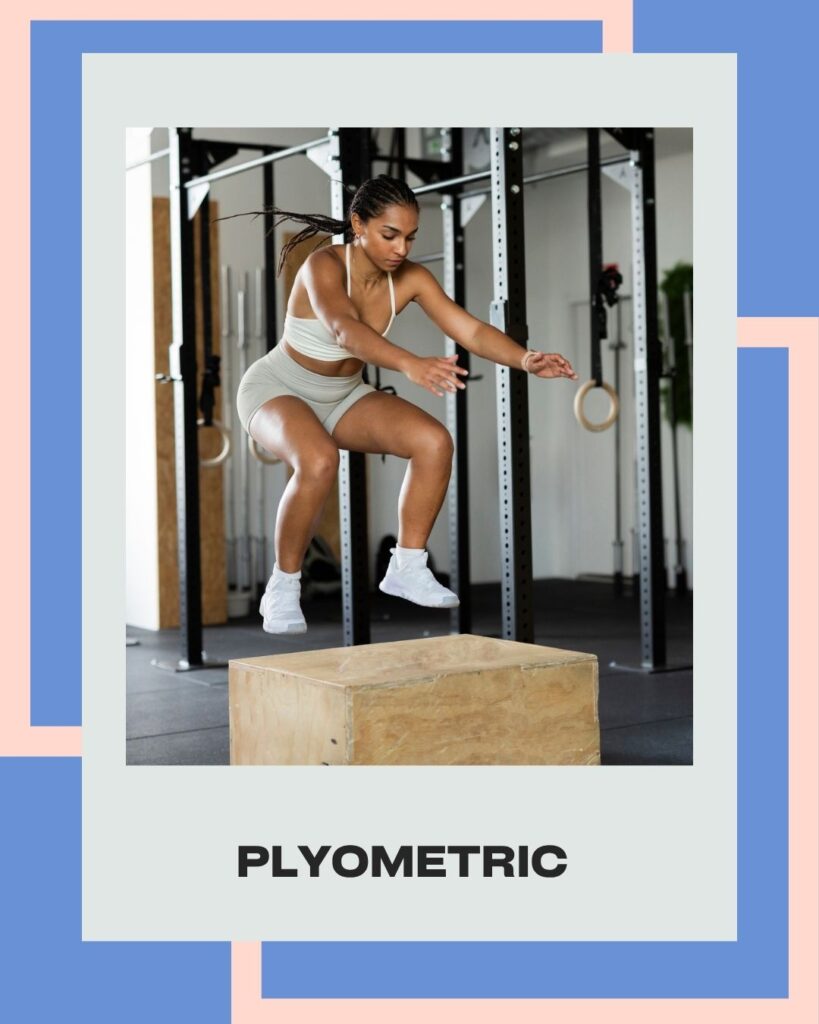
Plyometric training
Of all the categories, this one is probably one of the least known, but plyometric training has been growing in popularity amongst post-menopausal women! The reason is that plyometric training can improve bone density. Plyometric training is essentially jump training. It improves bone density and it also trains our body to generate maximum force as efficiently as possible. When searching the internet for examples of plyometric training, we inevitably may encounter a young, powerful athlete jumping impressive heights on to a wooden box, called a plyometric box. This is one way to perform plyometric exercises, but certainly not the only way. There are other exercises we can perform to gain the benefits of plyometric exercises without having to jump a tall building in a single bound.
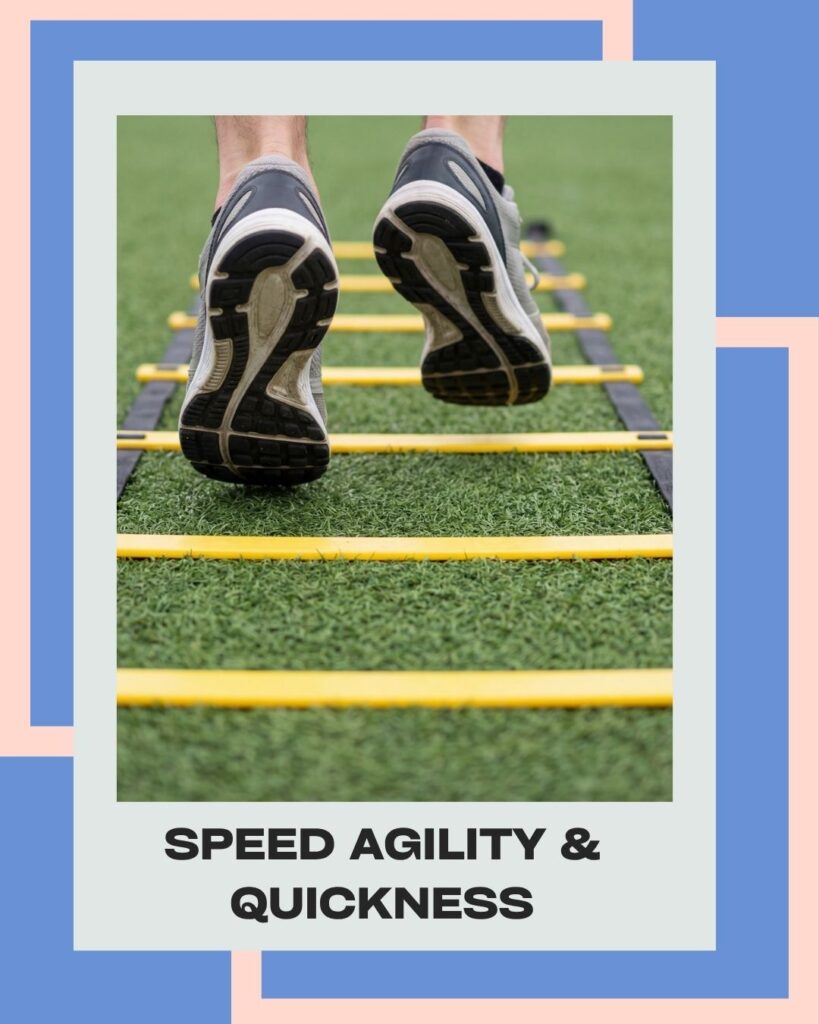
Speed, Agility and Quickness (SAQ)
Many of us are aware of SAQ training, but we consider it only applicable to elite athletes. However, we can all benefit from SAQ training. SAQ develops skillful movement at fast speeds. Plyometric is explosive movement, where SAQ is fast and precise movement often in response to a verbal or visual command. SAQ improves acceleration, deceleration and our ability to change directions with ease. Both plyometric and SAQ can improve neuromuscular efficiency, which is your brain’s ability to communicate to your body. This influences a myriad of skills such as balance, reaction time, and overall, brain health.
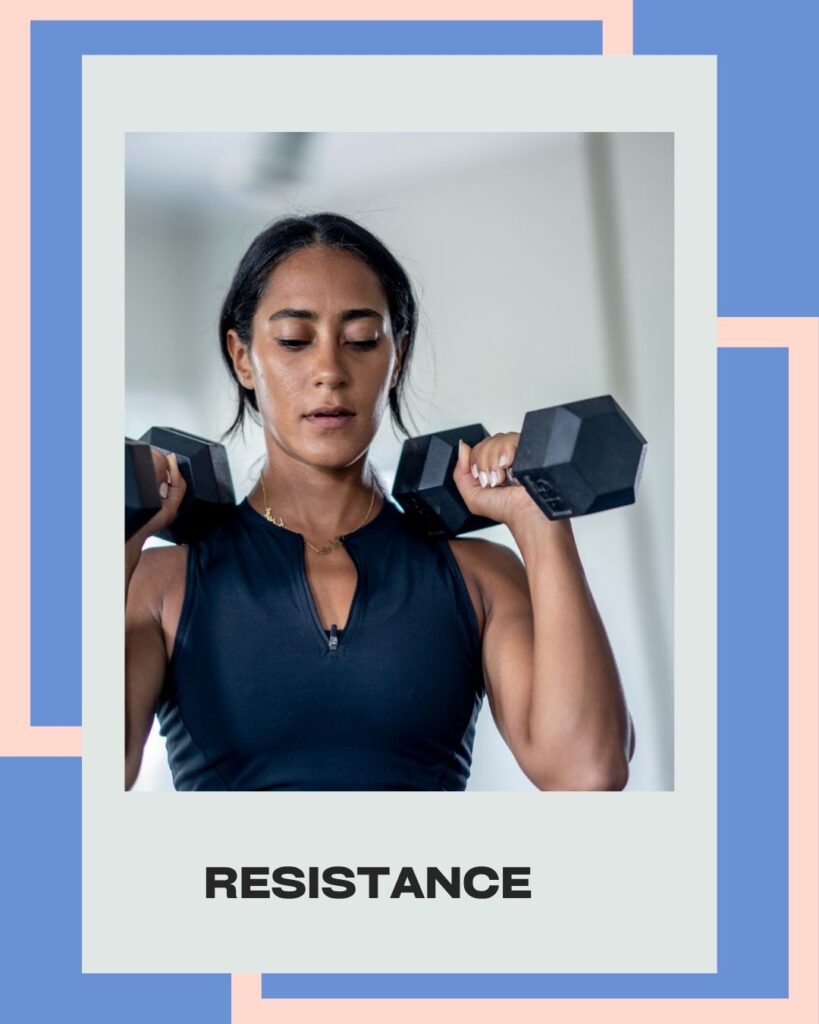
Resistance training
When we think of personal training, most people think of resistance training or strength training. Resistance training is certainly having its day in the sun. The fitness industry has always been impartial to strength training, but today, medical doctors are also strong advocates. Doctors advocate resistance training to mitigate metabolic imbalances which lead to chronic diseases, such as diabetes and / or insulin resistance. It is estimated that 12% of the US population has diagnosed and undiagnosed diabetes. People aged 65 and older are the most affected, with over 52% living with prediabetes and nearly 29% diagnosed with diabetes. If you’re over the age of 65, your doctor is most likely recommending resistance training. If not, they should be.
Benefits of strength training include increased muscle mass, increased strength, improved body composition, decreased risk of injury and improved glucose utilization and tolerance.
In the strength training realm, low reps and maximum weights is all the rage, but lifting heavy is not for everyone. We will review strength training techniques in another article soon, since it merits more discussion.
I would love to hear from you. Were you aware of these different types of exercise? Which of the 7 types of exercise are you already incorporating into your workout plan? Are there any you would like to integrate into your fitness plan?
I have been slowly integrating these different types of exercise into my personal workouts, my classes and private sessions. Let me know what you would like to see more of in our classes or if you are interested in working one-on-one to develop an integrated workout plan catered to your specific needs and goals.